Kyoto, Japan

Kyoto in 2 Days: An Itinerary That Avoids Backtracking
A 2-day Kyoto itinerary grouped by side of the city: Fushimi Inari, Higashiyama and Gion on day one, Arashiyama and Kinkaku-ji on day two.
By Navly EditorialPublished 2 min read
Open the Kyoto guide
The plan at a glance
Day 1
South and east Kyoto
Fushimi Inari, Higashiyama and Gion
- Fushimi Inari Taisha
- Kiyomizu-dera
- Sannenzaka and Ninenzaka
- Yasaka Shrine
- Gion in the evening
Day 2
West and north Kyoto
Arashiyama and Kinkaku-ji
- Arashiyama bamboo grove
- Tenryū-ji
- Togetsukyō Bridge
- Kinkaku-ji

Kyoto's famous sights are spread around the edges of the city: Fushimi Inari to the south-east, the temples of Higashiyama to the east, Arashiyama far to the west and Kinkaku-ji to the north. The most common mistake is crossing the city several times a day.
This plan gives each day one side of Kyoto and starts each day where the crowds are worst.
Day 1: South and east Kyoto
Start as early as you can at Fushimi Inari Taisha, the shrine famous for its tunnels of red torii gates winding up the mountain. The lower paths get very busy later in the day. You do not need to climb to the top to see the best of it.
Take the train north to Higashiyama. Walk up to Kiyomizu-dera, the temple with a wooden stage overlooking the city, then down the preserved lanes of Sannenzaka and Ninenzaka.
Continue to Yasaka Shrine and end the day in Gion, the historic geisha district, as the lanterns come on. Please do not photograph people without permission, and stay on public streets.
Day 2: West and north Kyoto
Head west to Arashiyama early, before the bamboo grove fills up. Visit Tenryū-ji, a Zen temple with a celebrated garden, and walk to Togetsukyō Bridge over the river.
In the afternoon, go north to Kinkaku-ji, the Golden Pavilion, reflected in its pond. It is a long ride across the city, so make it the last major stop of the day.
Getting around
Kyoto's buses reach most temples, but they get crowded. Trains are faster for longer hops, such as to Fushimi Inari and Arashiyama. For the east side, walking between temples is often quicker than waiting for a bus.
Where to stay
Staying near Kyoto Station is convenient for trains, including day trips. Downtown around Kawaramachi and Gion puts you close to restaurants and the eastern temples.
Make it three days
Add Nara as a day trip for its temples and deer park, or spend a slower day around the Philosopher's Path and Ginkaku-ji in north-east Kyoto.
Questions travelers ask
Is 2 days enough for Kyoto?
Two days covers the best-known sights if you group them by area. A third day lets you add Nara as a day trip or slower visits to quieter temples.
When should I visit Fushimi Inari?
Go early in the morning. The shrine grounds are open around the clock, and the lower gates are much calmer before the day's crowds arrive.
Sources to check before you go
Navly for iPhone
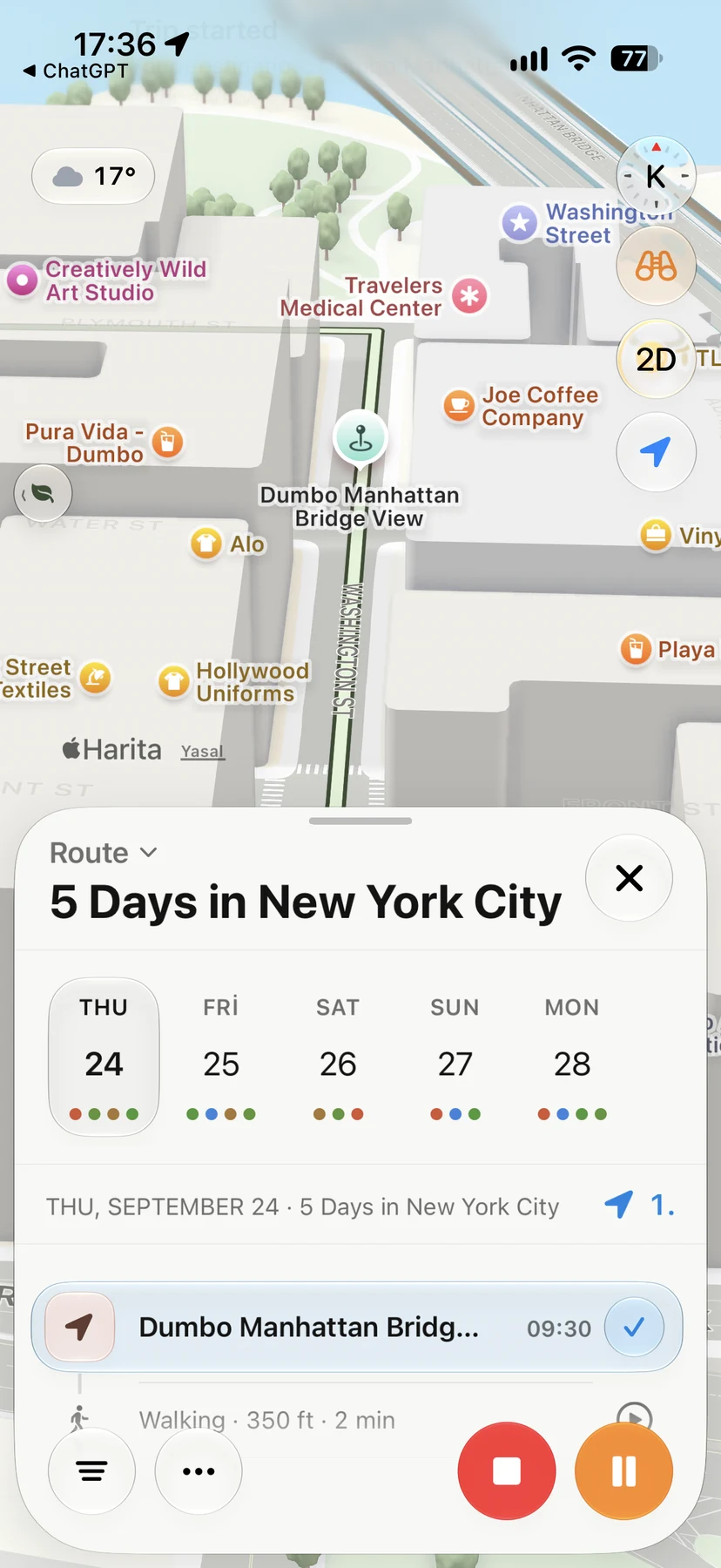
Turn this into a day-by-day itinerary
Add the places you want and Navly lays out each day with the stops in order and the route between them on Apple Maps.

Free manual planning. AI with Pro or Max.







Keep planning

New York, United States
Halloween in New York: The Village Parade and Spooky Day Trips
Plan Halloween in New York City: the Village Halloween Parade on October 31, Green-Wood Cemetery in Brooklyn and a day trip to Sleepy Hollow.
Itineraries · 2 min read

Paris, France
A Spooky Day in Paris: Catacombs, Père Lachaise and Montmartre
Plan an eerie day in Paris: the Catacombs ossuary 20 meters underground, Père Lachaise Cemetery and an evening in Montmartre, with booking and timing tips.
Itineraries · 2 min read

Rome, Italy
3 Days in Rome: A Neighborhood-by-Neighborhood Itinerary
A 3-day Rome itinerary grouped by area: ancient Rome, the Vatican and Trastevere, then the historic center, with walking order and booking checks.
Itineraries · 2 min read